
No matter the industry, workplace safety remains a top priority for worldwide. Every year, thousands of workplace accidents occur due to inadequate protection, improper safety practices, or the use of substandard equipment. Personal Protective Equipment (PPE) plays a critical role in reducing workplace hazards and protecting employees from injury.
As a trusted manufacturer of PPE and industrial safety equipment, we understand that reliable protection is not just a product—it is a commitment to human life, operational efficiency, and regulatory compliance.
Understanding PPE and Its Role in Workplace Safety
Personal Protective Equipment (PPE) refers to specialized gear designed to protect workers from physical, chemical, electrical, biological, and environmental hazards. PPE acts as the final layer of protection when workplace risks cannot be completely eliminated.
Effective PPE solutions help organizations:
- Reduce workplace injuries and accidents
- Improve employee confidence and productivity
- Meet safety regulations and compliance requirements
- Minimize downtime and compensation costs
- Create a strong safety culture
Essential PPE Products for Industrial Protection
Safety Helmets
Industrial safety helmets protect workers from falling objects, impact injuries, and electrical hazards. Modern helmets are lightweight, comfortable, and designed for all-day use.
Safety Footwear
Safety shoes are engineered to protect workers from heavy impacts, punctures, slips, electrical hazards, and chemical exposure. Features such as steel toe caps, anti-slip soles, and shock absorption provide comprehensive foot protection.
Fall Protection Equipment
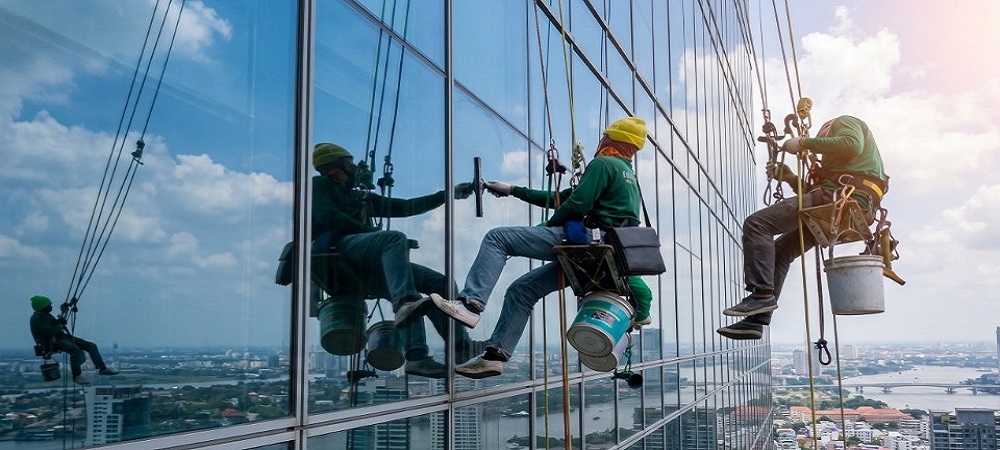
Working at heights requires specialized fall protection systems including:
- Full Body Harnesses
- Shock Absorbing Lanyards
- Retractable Fall Arrest Blocks
- Anchorage Connectors
- Vertical Lifeline Systems
These products help prevent serious injuries and fatalities caused by falls.
Reflective Safety Wear
High-visibility jackets and reflective vests ensure workers remain visible in low-light conditions, busy roadways, warehouses, and construction sites.
Protective Gloves
Different work environments require specific hand protection solutions, including cut-resistant, chemical-resistant, heat-resistant, and electrical safety gloves.
Respiratory Protection
Masks and respirators help protect workers from dust, fumes, toxic particles, and airborne contaminants.
Benefits of Investing in High-Quality Safety Equipment
Enhanced Worker Protection
Premium PPE provides superior resistance against workplace hazards and reduces injury risks.
Long-Term Cost Savings
High-quality equipment lasts longer, reducing replacement costs and improving return on investment.
Increased Productivity
Comfortable and reliable PPE encourages workers to perform tasks efficiently without compromising safety.
Regulatory Compliance
Certified safety products help businesses comply with industry regulations and avoid penalties.
Improved Company Reputation
Organizations that prioritize employee safety build stronger trust among workers, customers, and stakeholders.
How PPE Supports Different Industries
Construction Industry
Construction workers face risks from falling objects, working at heights, heavy machinery, and electrical systems. Proper PPE significantly reduces these dangers.
Manufacturing Facilities
Factories require protection against moving equipment, sharp tools, chemicals, and high-temperature operations.
Oil and Gas Sector
Workers need specialized PPE capable of withstanding extreme environmental conditions and hazardous substances.
Warehousing and Logistics
Safety footwear, reflective clothing, and protective helmets help reduce accidents during material handling and transportation activities.
Power and Utility Services
Electrical safety equipment protects workers performing installation, maintenance, and repair tasks.
Key Factors to Consider When Selecting PPE
When choosing safety equipment, organizations should focus on:
Certification and Standards
Products should comply with relevant safety regulations and testing requirements.
Durability and Reliability
PPE must perform consistently under demanding work conditions.
Comfort and Ergonomics
Workers are more likely to wear equipment properly when it is lightweight and comfortable.
Industry-Specific Requirements
Different workplaces require specialized safety solutions designed for unique hazards.
Proper Training and Usage
Even the best PPE is effective only when workers understand how to use and maintain it correctly.
Innovation in Modern Safety Equipment
The PPE industry is continuously evolving to provide smarter and more effective protection. Modern innovations include:
- Lightweight composite safety footwear
- Advanced shock-absorbing fall protection systems
- Smart helmets with communication features
- Moisture-wicking safety apparel
- Enhanced visibility reflective materials
- Eco-friendly and sustainable PPE products
These developments improve worker comfort while maintaining the highest levels of protection.
Creating a Culture of Safety
Workplace safety extends beyond equipment. It requires a commitment from management, supervisors, and employees to follow safety procedures and maintain safe working practices.
A strong safety culture includes:
- Regular safety training
- Hazard identification and risk assessment
- Routine PPE inspections
- Employee safety awareness programs
- Continuous improvement initiatives
When quality PPE is combined with proper training and safety management, organizations can significantly reduce workplace incidents.