
Protecting Workers in High-Risk Environments
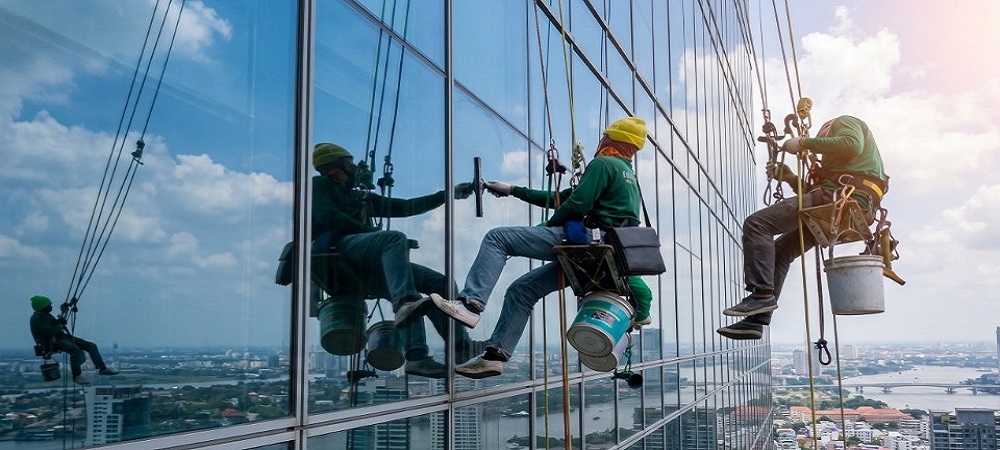
Working at heights and entering confined spaces are among the most hazardous activities in industrial operations. Whether in construction, utilities, telecommunications, sewage treatment plants, or industrial maintenance, workers face significant risks that require specialized safety equipment.
Two of the most critical components of any rescue and fall protection system are Rescue Tripods and Fall Arrest Blocks (Self-Retracting Lifelines). These lifesaving devices help prevent accidents and enable rapid rescue operations during emergencies.
What is a Rescue Tripod?
A Rescue Tripod is a portable anchorage system designed for confined space entry, rescue operations, and worker retrieval. It provides a secure overhead anchor point for lifting, lowering, and rescuing personnel from confined spaces such as:
- Manholes
- Underground chambers
- Sewage treatment plants
- Storage tanks
- Pipelines
- Utility vaults
- Industrial pits
Manufactured from high-strength aluminum or steel, rescue tripods are lightweight, durable, and easy to deploy in emergency situations.
Key Features of Rescue Tripods
✔ Lightweight yet robust construction
✔ Adjustable telescopic legs
✔ High load-bearing capacity
✔ Corrosion-resistant finish
✔ Easy transportation and setup
✔ Compatible with winches and fall arrest devices
✔ Stable anchorage for rescue operations
Why Rescue Tripods Are Essential
Confined spaces often contain hazards such as:
- Oxygen deficiency
- Toxic gases
- Limited entry and exit points
- Risk of falls
- Flooding or engulfment
In an emergency, every second matters. A rescue tripod allows rapid retrieval of workers without exposing additional personnel to danger.
Benefits of Using Rescue Tripods
Enhanced Worker Safety
Provides a secure anchorage point during confined space operations.
Quick Emergency Rescue
Enables fast extraction of injured or trapped workers.
Compliance with Safety Standards
Supports compliance with workplace safety regulations and confined space entry requirements.
Easy Deployment
Can be assembled and positioned quickly at various work locations.
Understanding Fall Arrest Blocks
A Fall Arrest Block, also known as a Self-Retracting Lifeline (SRL) or Retractable Fall Arrestor, is a personal fall protection device designed to stop a worker’s fall safely and immediately.
The device contains a retractable cable or webbing that extends and retracts automatically as the user moves. If a sudden fall occurs, the internal braking mechanism activates instantly, arresting the fall within a short distance.
How Fall Arrest Blocks Work
During normal movement:
- The lifeline extends smoothly.
- The worker can move freely.
- Minimal resistance is experienced.
During a fall:
- The locking mechanism engages immediately.
- The lifeline stops rapidly.
- Impact forces are minimized.
- Serious injuries are significantly reduced.
This technology provides superior protection compared to traditional lanyard systems.
Advantages of Fall Arrest Blocks
Increased Mobility
Workers can move freely without constantly adjusting their lifeline.
Faster Fall Arrest
Reduces free-fall distance and lowers injury risk.
Enhanced Productivity
Allows efficient movement while maintaining continuous protection.
Durable Construction
Built to withstand harsh industrial environments.
Reduced Swing Fall Risk
Provides better positioning and control when working at heights.
Common Applications
Construction Sites
Protecting workers on scaffolding, rooftops, steel structures, and elevated platforms.
Telecommunications
Safety during tower climbing and maintenance activities.
Power and Utility Operations
Protection while working on transmission towers and elevated structures.
Warehousing and Logistics
Fall protection for maintenance and elevated access tasks.
Industrial Plants
Confined space entry and elevated maintenance operations.
Rescue Tripod and Fall Arrest Block: A Complete Safety Solution
When combined, Rescue Tripods and Fall Arrest Blocks create an effective rescue and fall protection system.
Integrated Safety Benefits
- Continuous fall protection
- Safe confined space entry
- Rapid emergency retrieval
- Reduced rescue response time
- Improved worker confidence
- Regulatory compliance
This combination is widely used in industries where workers operate both at height and in confined spaces.
Choosing the Right Equipment
When selecting rescue and fall protection equipment, consider:
Certification
Ensure products meet relevant national and international safety standards.
Load Capacity
Choose equipment suitable for intended applications and rescue requirements.
Durability
Look for corrosion-resistant materials and robust construction.
Ease of Use
Equipment should be simple to inspect, operate, and maintain.
Compatibility
Tripods, winches, harnesses, and fall arrest blocks should function seamlessly as an integrated system.
The Importance of Regular Inspection
Safety equipment must be inspected regularly to ensure reliability.
Key inspection points include:
- Cable or webbing condition
- Locking mechanism functionality
- Structural integrity
- Corrosion or wear
- Labels and identification markings
- Anchorage components
Routine inspections help maintain performance and extend equipment lifespan.